Product Description
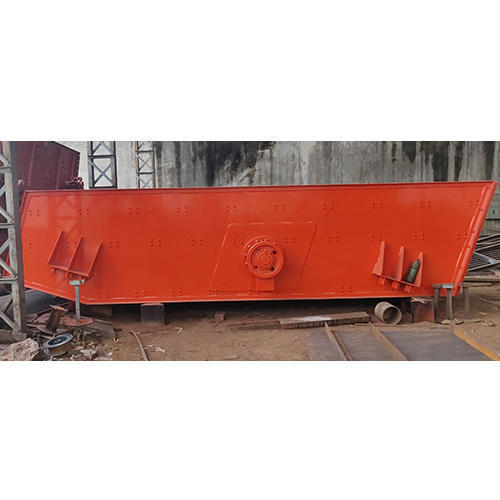
Motor controlled vibrating screen separator is useful for screening, sorting, separation and sieving of crushed aggregates, minerals, chemicals, sand, abrasive materials, plastic master batches etc. Accessible in specific screen mesh range, this user friendly vibrating screen separator is offered in fully enclosed housing. This system has material auto discharging function for its continuous operation. Screen box of this vibrating screen separator is made of section welded material and copper plate for high strength. In order to select this vibrating screen separation system, factors like moisture level, mesh diameter, number of screen layers, material type and production capacity of the system need to be considered.
Product details
| Number of Layers | 1-3 Decks |
| Size | 2400 mm X 1200 mm |
| Vibrating Frequency | 950 RPM |
| Type Of Machine | Vibrating Screen |
| Material | Iron |
| Motor Power | 5.0 HP |
| Automation Grade | Automatic |
| Capacity | 30 TPH |
| Model Number | MVS-0804 |
| Body Material | Mild Steel |
| Transmission Structure | Electromagnetic Shaker Screen |
| Usage/Application | Industrial |
Engineered for reliability and accuracy, this vibrating screen separator excels in separating and screening solid or liquid materials. From delicate food products to robust minerals, its customizable features and broad mesh size range allow for seamless integration into various processing lines.
Robust Stainless Steel ConstructionMade from corrosion-resistant stainless steel (SS304/SS316), the separator is built to withstand demanding industrial environments. Its tough design, coupled with powder-coated or mirror/matte finishes, ensures durability, easy cleaning, and compliance with industry hygiene standards.
Adaptable Design for Maximum EfficiencyThis separator offers flexible options, including single or multiple layers, portable or stationary setup, and semi-automatic or fully automatic operation. Its customizable diameter (24 to 72 inches) and discharge outlets accommodate a wide spectrum of project requirements, enhancing process productivity.
FAQ's of Vibrating Screen Separator:
Q: How does the vibrating screen separator handle various mesh sizes for different applications?
A: The separator supports screen mesh sizes ranging from 10 mesh to 500 mesh, allowing it to handle fine to coarse screening tasks. This flexibility makes it suitable for applications in chemical, food, pharmaceutical, mineral, and plastics industries, ensuring precise product separation and efficient throughput.
Q: What are the benefits of stainless steel construction in this vibrating screen separator?
A: Stainless steel (SS304/SS316) offers exceptional corrosion resistance, sturdiness, and ease of cleaning, which are critical for sectors requiring hygienic processing, such as food and pharmaceuticals. It extends the separator's lifespan and ensures compliance with industry quality standards.
Q: When should I opt for single or multiple deck configurations?
A: Choose a single deck for straightforward separation processes or when processing one grade at a time. Multiple decks are ideal when simultaneous classification of materials into several fractions is required, enhancing efficiency in multi-stage screening operations.
Q: Where can the vibrating screen separator be used effectively?
A: Its robust and adaptable design allows for effective use in manufacturing plants, processing units, laboratories, and other industrial environments. Industries such as chemicals, food processing, pharmaceuticals, minerals, and plastics benefit from its efficient screening and separation capabilities.
Q: How does the customizable discharge outlet improve process efficiency?
A: A customizable discharge outlet enables targeted material collection and smooth integration with downstream processes. This reduces product loss, streamlines workflow, and supports different plant layouts, enhancing overall operational flexibility.
Q: What usage guidelines and maintenance practices help ensure optimal performance?
A: Regularly check mesh tension and cleanliness, inspect the vibratory motor for wear, and ensure discharge outlets remain unobstructed. Adhering to recommended maintenance practices aligns with the semi-automatic or automatic operation capability, protecting both operator safety and equipment longevity.



 Send Inquiry




 Send Inquiry
